
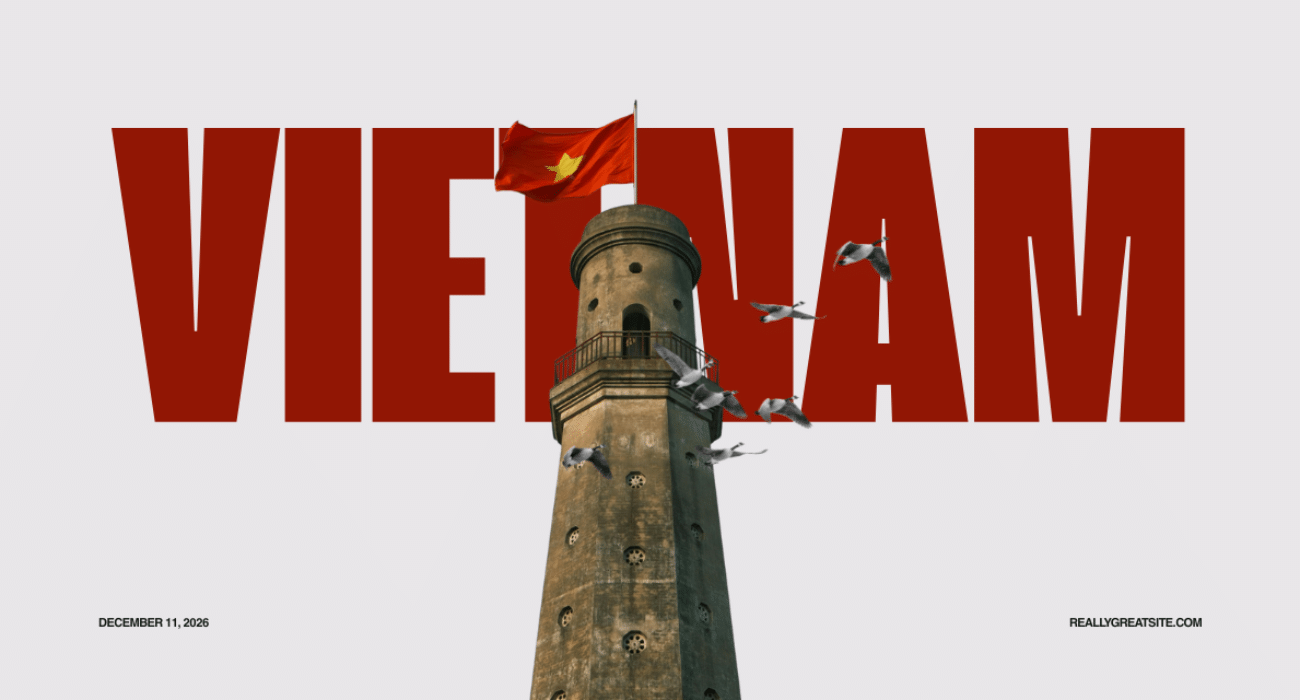
Vietnam National Day Reception 2026 in New Delhi: Celebrating Friendship, Culture and International Cooperation
International relations are strengthened not only through official meetings and agreements but also through cultural celebrations, personal connections and opportunities for meaningful dialogue. The Vietnam National Day Reception 2026 in New Delhi is an occasion that brings these values into focus, celebrating the national identity of Viet Nam while highlighting the importance of friendship and cooperation between nations.
According to the invitation, H.E. Ambassador Trinh Minh Manh and spouse Nguyen Thi Lan Anh have invited Mr. Harish Chandra to a reception marking the 81st anniversary of the National Day of the Socialist Republic of Viet Nam. The event is scheduled for Wednesday, 21 October 2026, at 7:30 PM at The Grand New Delhi, Nelson Mandela Road, Vasant Kunj, New Delhi.
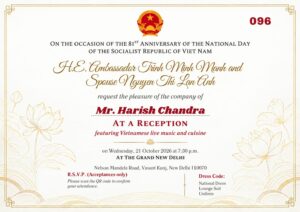
Featuring Vietnamese live music and cuisine, the reception offers a setting for cultural appreciation and diplomatic interaction. It also provides an opportunity to reflect on the longstanding relationship between India and Viet Nam and the potential for further cooperation in trade, business, education and people-to-people engagement.
1. Vietnam National Day 2026: Understanding Its Significance
Vietnam National Day is celebrated annually on 2 September. The occasion commemorates the declaration of independence in 1945 and holds an important place in the country’s modern history.
National Day is more than a public celebration. It represents the country’s journey, national identity, cultural heritage and aspirations for the future. Official receptions organised around this occasion provide an opportunity for diplomatic representatives, invited guests and members of different communities to recognise Viet Nam’s history and its place in the international community.
The 2026 reception in New Delhi is scheduled for 21 October, bringing the occasion into a diplomatic and cultural setting in India’s capital. Events of this nature help strengthen mutual understanding and encourage continued engagement between countries with shared interests.
2. Vietnam National Day Reception in New Delhi: Event Details
The invitation outlines the following details for the reception:
- Event: Reception marking the 81st anniversary of the National Day of the Socialist Republic of Viet Nam
- Date: Wednesday, 21 October 2026
- Time: 7:30 PM
- Venue: The Grand New Delhi
- Address: Nelson Mandela Road, Vasant Kunj, New Delhi 110070
- Hosts: H.E. Ambassador Trinh Minh Manh and spouse Nguyen Thi Lan Anh
- Special features: Vietnamese live music and cuisine
The invitation also specifies a dress code comprising national dress, lounge suit or uniform. Attendance is subject to the invitation’s RSVP requirements, with acceptance confirmation requested through the provided QR code.
These details make the invitation a useful reference for guests who need to plan their attendance and understand the formal nature of the occasion.
3. India–Vietnam Relations: A Partnership Built Over Time
India and Viet Nam share a longstanding relationship shaped by historical connections, cultural exchanges and diplomatic cooperation. Over the years, the relationship has developed across several areas, including trade, investment, education, science, technology and regional engagement.
The two countries established diplomatic relations in 1972, and their partnership has continued to expand. In 2016, India and Viet Nam elevated their relationship to a Comprehensive Strategic Partnership, reflecting the growing importance of cooperation between them.
For businesses, entrepreneurs and industry representatives, stronger bilateral relations can create opportunities to explore new markets, understand local requirements and establish connections with potential partners.
India offers a large consumer market, a broad industrial base and a growing services sector. Viet Nam has developed an important manufacturing and export-oriented economy, with opportunities across sectors such as electronics, textiles, agriculture, logistics and industrial production.
While diplomatic engagement does not automatically lead to commercial agreements, it can help create an environment in which businesses and institutions identify common interests and explore practical areas of cooperation.
4. Why Cultural Diplomacy Matters in International Relations
Diplomacy is often associated with formal discussions, policy decisions and bilateral agreements. However, cultural diplomacy also plays a valuable role in building relationships between countries.
Cultural events allow people to learn about another country’s traditions, food, music, customs and social values. Such experiences can encourage curiosity, reduce misunderstandings and create opportunities for conversations that may continue beyond the event itself.
The Vietnam National Day Reception 2026 reflects this wider role of cultural engagement. By bringing Vietnamese music and cuisine into a formal reception in New Delhi, the event highlights the connection between cultural appreciation and international friendship.
For professionals attending diplomatic gatherings, these occasions also offer opportunities to exchange perspectives, build professional relationships and develop a better understanding of international communities.
5. Vietnamese Music and Cuisine: A Celebration of Heritage
Music and food are important expressions of a country’s identity. They communicate traditions and experiences in ways that people can appreciate even when they do not share the same language.
Vietnamese cuisine is known for its use of fresh herbs, vegetables, rice, noodles and balanced flavours. Well-known dishes such as pho, banh mi and fresh spring rolls reflect the country’s diverse culinary traditions, although regional ingredients and preparation methods vary.
Vietnamese music also represents a rich cultural heritage, with traditional instruments, folk traditions and contemporary influences contributing to its variety.
The invitation specifically mentions Vietnamese live music and cuisine as features of the reception. These elements can help guests experience aspects of Vietnamese culture while celebrating the country’s national occasion.
Cultural experiences of this kind can also encourage greater interest in tourism, culinary traditions, creative industries and educational exchanges.
6. How Diplomatic Events Can Support International Business Connections
Diplomatic receptions are primarily occasions for official interaction and celebration, but they can also create opportunities for professional networking among invited participants.
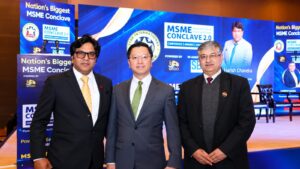
For business owners, exporters, industry representatives and entrepreneurs, international engagement can help develop a broader understanding of overseas markets and business environments.
Potential areas of interest between Indian and Vietnamese businesses include:
Trade and exports: Companies may explore opportunities to understand product demand, distribution channels and potential buyers in each other’s markets.
Manufacturing and supply chains: Businesses can investigate areas where their capabilities complement one another, subject to commercial feasibility and applicable regulations.
Technology and innovation: Technology companies and service providers may identify opportunities for knowledge exchange, collaboration and the development of new solutions.
Tourism and hospitality: Greater cultural awareness can support interest in travel, hospitality services and cross-cultural experiences.
Education and professional exchange: Universities, training institutions and professional organisations can explore opportunities for academic cooperation and skill development.
It is important to recognise that attending a reception does not guarantee business partnerships or investment opportunities. However, respectful engagement and informed conversations can help establish connections that may develop into meaningful professional relationships over time.
7. The Role of India and Viet Nam in a Changing Global Economy
As international trade continues to evolve, countries increasingly look for reliable partners, diversified supply chains and opportunities for sustainable economic growth.
India and Viet Nam both participate in regional and global economic networks. Their cooperation can be relevant to businesses interested in manufacturing, exports, services, technology and regional market development.
For Indian MSMEs, learning about Viet Nam’s business environment may help identify potential export destinations, sourcing options or commercial partnerships. Similarly, Vietnamese businesses exploring India may find opportunities to understand its consumer market, industrial capabilities and business services sector.
However, entering a foreign market requires more than establishing initial contacts. Businesses should research demand, assess competition, understand taxation and customs requirements, examine contractual obligations and verify potential partners before making commercial commitments.
Organisations that help businesses develop international connections can contribute by providing market information, facilitating introductions and supporting informed decision-making.
8. New Delhi as a Centre for Diplomatic Engagement
New Delhi hosts diplomatic missions, international delegations, business gatherings and cultural programmes throughout the year. Its role as India’s capital makes it an important location for discussions involving international relations, economic cooperation and cultural exchange.
Events held in the city bring together people from different professional and cultural backgrounds. They can encourage the exchange of ideas and provide opportunities to understand how international relationships develop through both formal engagement and personal interaction.
The Vietnam National Day Reception 2026 at The Grand New Delhi is one such scheduled occasion, bringing the celebration of Viet Nam’s national identity into a diplomatic setting.
For invited guests, the event offers an opportunity to appreciate Vietnamese culture and recognise the importance of maintaining positive relationships between India and Viet Nam.
9. Why India–Vietnam Cooperation Matters for the Future
The future of India–Vietnam relations will depend on continued dialogue, practical cooperation and the ability of institutions and businesses to identify shared priorities.
Areas such as trade, investment, technology, education, tourism and cultural exchange can provide opportunities for further engagement. Businesses considering cooperation should also remain attentive to market conditions, regulatory requirements and the commercial realities of cross-border operations.
Regular diplomatic contact can help maintain communication, build mutual understanding and support discussions around common interests. Cultural events contribute to this process by creating settings in which people can connect beyond formal policy discussions.
For entrepreneurs and MSMEs, awareness of international relationships can be a useful starting point for researching potential markets and understanding the wider environment in which global business operates.
Conclusion
The Vietnam National Day Reception 2026 in New Delhi represents an occasion to recognise Viet Nam’s national heritage and the value of international friendship. Scheduled for 21 October 2026 at The Grand New Delhi, the reception will feature Vietnamese live music and cuisine in a formal diplomatic setting.
Beyond the celebration itself, the occasion provides a reason to reflect on the longstanding relationship between India and Viet Nam and the importance of cultural exchange, dialogue and international cooperation.
As businesses and institutions look towards new opportunities across borders, mutual understanding remains an important foundation for productive engagement. For Indian entrepreneurs and MSMEs, following developments in international relations can help build awareness of potential markets and the connections that support global business growth.
At Star International MSME Forum (Star IMF), the broader goal of connecting businesses with international opportunities makes awareness of bilateral relationships, cultural engagement and global trade particularly relevant. Understanding these connections can help businesses approach international expansion with better preparation, stronger market knowledge and a long-term perspective.