
1. Introduction
Bilateral relations between the Republic of India and the Republic of Cameroon have taken on a significantly more dynamic trajectory in recent years. Rooted in shared values of South-South cooperation and mutual economic aspirations, the partnership has transitioned from traditional diplomatic engagements to a robust, multi-faceted commercial alliance. As India solidifies its position as a global economic powerhouse and Cameroon actively pursues its Vision 2035 development strategy, the economic corridor between the two nations presents unprecedented opportunities for exporters, importers, and investors alike.

Historical and Diplomatic Context: The Foundation of Cooperation
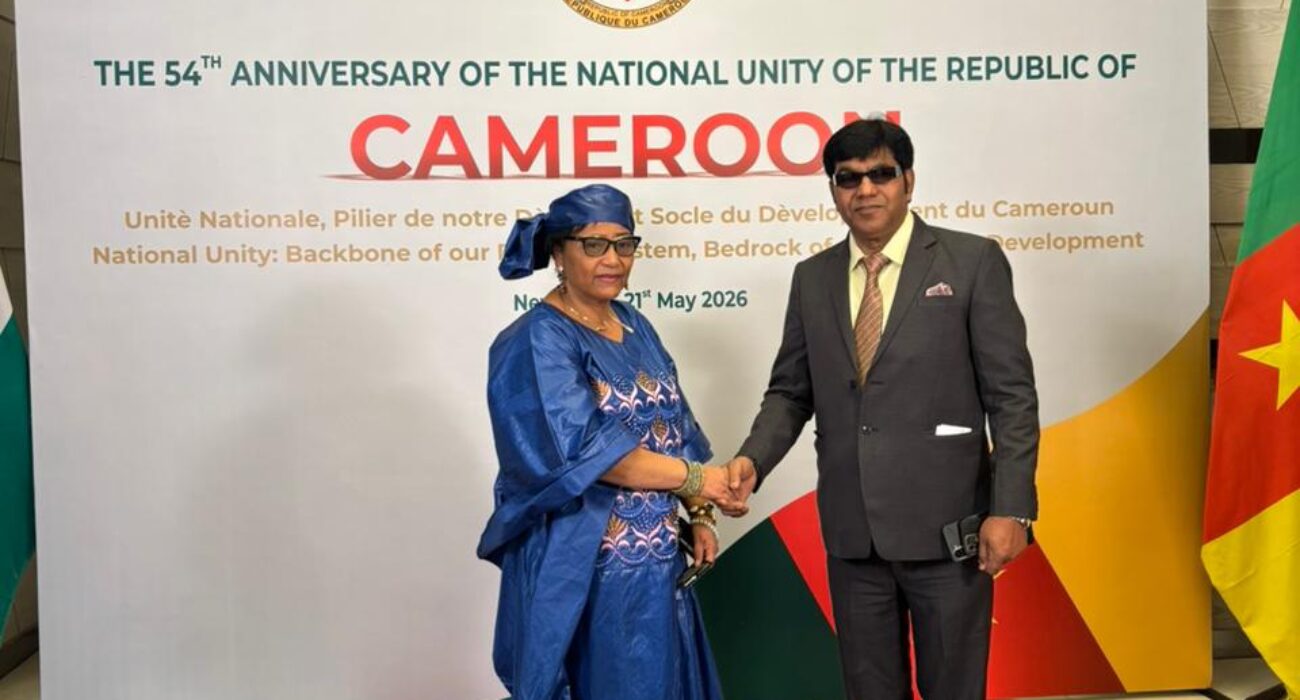
Diplomatic ties between India and Cameroon were established immediately following Cameroon’s independence. Over the decades, this relationship has been sustained through high-level visits, capacity-building programs under the Indian Technical and Economic Cooperation (ITEC) framework, and robust participation in pan-African forums. A milestone in this relationship is celebrated annually, reflecting the deep-rooted honor and sovereign respect shared between New Delhi and Yaoundé. Events such as the 54th Anniversary of the National Unity of the Republic of Cameroon, celebrated recently in New Delhi, highlight the institutional support and diplomatic momentum driving commercial ties forward.
This political goodwill serves as a critical de-risking mechanism for private capital. When governments demonstrate close alignment, regulatory frameworks become more predictable, trade barriers are systemically addressed, and investment promotion agencies operate with greater synergy. For businesses looking to enter the Central African region, Cameroon stands out as a stable, strategic gateway, backed by strong diplomatic ties with major Asian economies, particularly India.
2. Macroeconomic Profile of Cameroon: The Gateway to Central Africa
Cameroon possesses the most diversified economy in the Central African Economic and Monetary Community (CEMAC) region. Known often as “Africa in miniature” due to its varied geographic, cultural, and economic landscapes, Cameroon acts as a critical transit hub for landlocked neighbors such as Chad and the Central African Republic. With a population exceeding 28 million and an abundant natural resource base, the country offers an attractive market size for consumer goods, industrial machinery, and digital services.
The Cameroonian government is heavily focused on infrastructure development, energy transition, and agricultural modernization. To achieve its target of becoming an emerging market economy, Cameroon is aggressively courting foreign direct investment (FDI). Indian enterprises, known for engineering excellence, cost-effective manufacturing, and robust digital solutions, are uniquely positioned to partner in this development phase.
3. Bilateral Trade Overview: Current Dynamics and Traded Commodities
The trade balance between India and Cameroon has historically highlighted strong complementary needs. India requires raw materials to fuel its manufacturing and energy sectors, while Cameroon requires finished products, capital equipment, and technological interventions to advance its domestic industrial capability.
What India Exports to Cameroon (Export Opportunities)
Indian exporters have established a strong footprint in the Cameroonian market, but significant growth potential remains untapped. The primary export categories include:
-
Pharmaceuticals and Healthcare Products: India is the “pharmacy of the world,” and affordable, high-quality generic medicines from India form the backbone of Cameroon’s healthcare access strategy. From essential therapeutics to medical diagnostic equipment, this sector remains highly lucrative.
-
Rice and Agricultural Staples: India is a primary supplier of non-basmati rice to West and Central Africa. Food security initiatives in Cameroon create a consistent demand for Indian agricultural exports.
-
Machinery, Capital Goods, and Automobiles: As Cameroon builds its industrial base, the demand for affordable textile machinery, food processing units, agricultural tractors, and two-wheelers/three-wheelers has surged. Indian automotive and engineering brands enjoy strong brand equity in the region.
-
Electrical Machinery and Electronics: The rollout of telecom networks and power transmission lines across Cameroon requires transformers, cables, telecommunication hardware, and consumer electronics, heavily sourced from Indian manufacturers.
What India Imports from Cameroon (Import Opportunities)
For Indian processors and manufacturers, Cameroon provides a reliable supply of high-grade raw inputs:
-
Crude Oil and Petroleum Products: Energy security remains a top priority for India. Cameroon’s hydrocarbon reserves represent a significant portion of India’s import bucket from the country.
-
Timber and Wood Products: Cameroon’s rich forestry resources supply premium timber, which is highly sought after by the Indian furniture, construction, and housing industries.
-
Raw Cotton and Textiles: The high quality of Cameroonian raw cotton serves as an excellent input for India’s massive textile and garment manufacturing ecosystem.
-
Agricultural Raw Materials: High-value crops such as raw cashew nuts, cocoa, coffee, and oilseeds offer competitive sourcing channels for Indian agro-processors.
[IMAGE PLACEHOLDER 2: Insert Handshake Photo – (IMG_9329.JPG.jpeg ya IMG_9328.JPG.jpeg)]
4. Comparative Trade Matrix
| Sector | Key Indian Exports to Cameroon | Key Cameroonian Imports to India | Strategic Growth Potential |
| Agriculture & Food | Rice, Wheat, Spices, Processed Foods | Raw Cashew, Cocoa, Coffee, Oilseeds | High: Joint ventures in agro-processing plants within Cameroon. |
| Healthcare | Generic Formulations, Medical Devices | Biomedical Raw Inputs (niche) | Very High: Setting up specialized diagnostic centers. |
| Heavy Industry | Automobiles, Tractors, Industrial Mills | Timber, Wood Logs, Mineral Ores | Substantial: Infrastructure expansion using Indian engineering. |
| Energy & Mining | Solar Panels, Electrical Grid Hardware | Crude Oil, Liquefied Petroleum Gas | Critical: Transitioning Cameroon’s rural areas to solar grids. |
5. Market Entry Strategy: Navigating Company Setup in Cameroon
To truly capitalize on the Central African market, forward-thinking Indian businesses are moving beyond simple transactional trade models and establishing a permanent corporate presence in Cameroon. Doing business in Cameroon has been streamlined by its adherence to the OHADA (Organization for the Harmonization of Business Law in Africa) treaty, which provides a unified, modern, and secure legal framework across 17 African nations.

Role of Investment Forums and Facilitation Bodies
Navigating an international market requires strong local partnerships. Specialized bilateral forums and investment promotion agencies play a pivotal role in bridging the gap. These organizations offer specialized end-to-end guidance for foreign companies, acting as a one-stop-shop for setting up commercial operations. They assist with legal compliance, land acquisition, tax incentives, and connecting foreign investors with verified local stakeholders.
Step-by-Step Corporate Registration Process
Under the OHADA framework, foreign entities can typically choose between a Limited Liability Company (SARL) or a Public Limited Company (SA). The corporate registration pathway generally follows these stages:
-
Drafting Articles of Association: Corporate bylaws must be drafted and notarized by a recognized public notary in Cameroon.
-
Capital Deposit: The minimum share capital must be deposited into a designated bank account or held with the notary during the incorporation phase.
-
Trade and Personal Property Credit Register (RCCM): Application for formal corporate registration is submitted directly to the RCCM.
-
Fiscal Identification: Upon receiving the registry certificate, the company must apply to the Directorate General of Taxation to obtain a unique taxpayer identification number (NIU).
-
Operational Licensing: Depending on the industry (e.g., pharmaceuticals, mining, telecommunications), specialized operational permits or environmental clearances must be secured from relevant ministries.
6. Investment Incentives and Special Economic Zones (SEZs)
To attract robust industrial setups, Cameroon offers highly attractive fiscal and customs incentives under Private Investment Incentives Law No. 2013/004. During the implementation phase (up to 5 years), companies can enjoy total exemption from registration duties, customs duties on imported equipment, and VAT on local purchases. During the operational phase (up to 10 years), enterprises benefit from substantial reductions in corporate income tax, minimum tax exemptions, and streamlined profit repatriation policies.
Furthermore, investing within designated Special Economic Zones or industrial parks (such as those near the Kribi Deep Seaport) provides businesses with direct logistics corridors, guaranteed utility supplies, and fast-track administrative processing, making Cameroon an ideal base for regional manufacturing.
7. Key Challenges and Mitigation Strategies
While the opportunities are vast, Indian businesses must navigate certain local challenges with strategic foresight:
-
Language Barriers: Cameroon is officially bilingual (French and English). While business law is rooted in English in certain regions, French is predominant in major economic centers like Douala and Yaoundé. Sourcing bilingual administrative talent is key.
-
Currency Regulations: The local currency is the Central African CFA franc (XAF), pegged directly to the Euro. Navigating foreign exchange controls requires working closely with international banks that have deep pan-African footprints.
-
Logistics and Infrastructure: Port congestion and road transit times can present bottlenecks. Utilizing modern facilities like the Kribi deep-sea port can significantly optimize supply chain efficiencies compared to older routes.
8. Conclusion: The Way Forward for Indian Enterprises
The India-Cameroon commercial relationship is standing on the threshold of an expansion phase. By transitioning from basic import-export models to local value addition, technology transfer, and institutional investments, Indian companies can lock in early-mover advantages in a rapidly growing economic zone. Supported by robust bilateral dialogue, trade compliance frameworks like OHADA, and the active facilitation of investment forums, the economic corridor between India and Cameroon is set to remain a highly profitable frontier for global businesses.